Bottom painting a boat
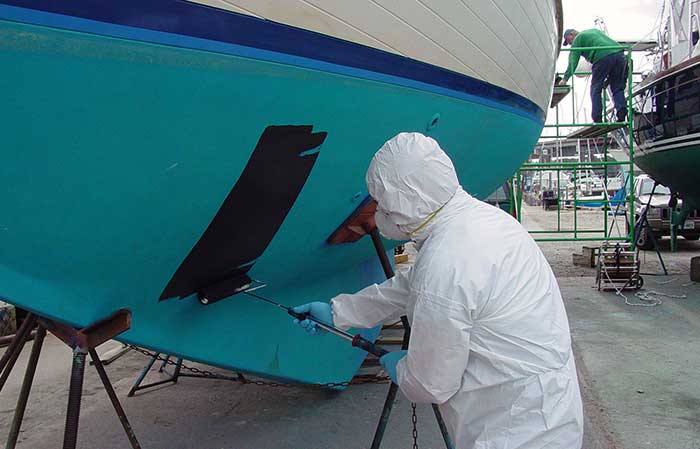
Bottom painting a boat is an essential maintenance task that helps protect the hull from the effects of water, such as fouling, corrosion, and osmosis. Here's a general guide on how to bottom paint a boat:
1. Preparation:
- Select an appropriate bottom paint based on the type of boat, water conditions, and personal preferences. Consider factors such as ablative or hard paint, color, and compatibility with previous paint.
- Determine the number of coats recommended by the manufacturer.
- Choose a suitable location for painting, preferably a well-ventilated area or outdoors.
- Prepare the boat by hauling it out of the water and cleaning the hull thoroughly to remove any dirt, algae, or loose paint. Use a pressure washer or scrubbing brush as necessary.
- If there are existing layers of antifouling paint, check for compatibility with the new paint and take appropriate steps to ensure adhesion (e.g., sanding or applying a primer).
2. Safety Precautions:
- Wear protective clothing, including gloves, goggles, and a respirator mask, to protect yourself from chemicals and fumes.
- Read and follow the instructions provided by the paint manufacturer for specific safety precautions.
3. Application:
- Stir the paint thoroughly to ensure a consistent mixture.
- Use a brush or roller to apply the paint evenly to the boat's hull. Start at the bow and work your way backward.
- Follow the recommended drying time between coats as specified by the manufacturer. Apply additional coats as necessary, ensuring proper coverage.
- Pay attention to specific instructions regarding temperature and humidity conditions during application and drying.
4. Cleanup:
- Clean your tools immediately after use with the appropriate solvent or cleaner recommended by the paint manufacturer.
- Dispose of any leftover paint or waste materials according to local regulations.
Remember that the specific steps and techniques may vary depending on the type of boat, paint product, and manufacturer's instructions. It's always a good idea to consult the paint manufacturer's guidelines and seek advice from experienced boaters or professionals for the best results.


Comments
Post a Comment